
Melbourne, Australia to AEST
Compare Melbourne time with AEST time, including current local time, UTC offsets, time difference, daylight saving changes, working hours, and shareable meeting times.
Time Difference
AEST (Australian Eastern Standard Time) is 0 hours ahead of Australian Eastern Standard Time
10:00 pm22:00 in Melbourne, Australia is 10:00 pm22:00 in AEST
Melbourne to AEST call time
Best time for a conference call or a meeting is between 9am-5pm in Melbourne which corresponds to 9am-5pm in AEST
10:00 pm22:00 AEST (Australian Eastern Standard Time) (Melbourne, Australia). Offset UTC +10:00 hours
10:00 pm22:00 Australian Eastern Standard Time (AEST). Offset UTC +10:00 hours
10:00 pm22:00 Melbourne, Australia / 10:00 pm22:00 AEST
| Melbourne, Australia | AEST |
|---|---|
| 12am (midnight) | 12am (midnight) |
| 1am | 1am |
| 2am | 2am |
| 3am | 3am |
| 4am | 4am |
| 5am | 5am |
| 6am | 6am |
| 7am | 7am |
| 8am | 8am |
| 9am | 9am |
| 10am | 10am |
| 11am | 11am |
| 12pm (noon) | 12pm (noon) |
| 1pm | 1pm |
| 2pm | 2pm |
| 3pm | 3pm |
| 4pm | 4pm |
| 5pm | 5pm |
| 6pm | 6pm |
| 7pm | 7pm |
| 8pm | 8pm |
| 9pm | 9pm |
| 10pm | 10pm |
| 11pm | 11pm |
| 00:00 | 00:00 |
| 01:00 | 01:00 |
| 02:00 | 02:00 |
| 03:00 | 03:00 |
| 04:00 | 04:00 |
| 05:00 | 05:00 |
| 06:00 | 06:00 |
| 07:00 | 07:00 |
| 08:00 | 08:00 |
| 09:00 | 09:00 |
| 10:00 | 10:00 |
| 11:00 | 11:00 |
| 12:00 | 12:00 |
| 13:00 | 13:00 |
| 14:00 | 14:00 |
| 15:00 | 15:00 |
| 16:00 | 16:00 |
| 17:00 | 17:00 |
| 18:00 | 18:00 |
| 19:00 | 19:00 |
| 20:00 | 20:00 |
| 21:00 | 21:00 |
| 22:00 | 22:00 |
| 23:00 | 23:00 |
Melbourne Information
Time Zone
AEDT - Australian Eastern Daylight Time
+11:00 hours during Australian Eastern Daylight Time.
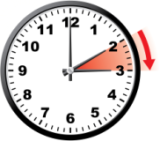 Sunday, October 4, 2026 at 2:00 am local time. DST starts annually on the 1st Sunday of October. Clocks are turned forward 1 hour to Sunday, October 4, 2026 at 3:00 am local daylight time instead. Also called Spring Forward or Summer Time.
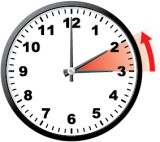 Sunday, April 5, 2026 at 3:00 am local time. DST ends annually on the 1st Sunday of April. Clocks are turned backward 1 hour to Sunday, April 5, 2026 at 2:00 am local standard time instead. Also called Fall Back or switch to Winter Time.
Melbourne Facts
Australian Eastern Standard Time
Offset: AEST is 10 hours ahead Greenwich Mean Time (GMT) and is used in Australia
Countries using this time zone: Australia
Principal Cities: The largest city in the AEST time zone is Sydney in Australia, with about 4.627 million people. Other major cities in this time zone include Melbourne, Brisbane, Gold Coast, Canberra.

Daylight Saving: This is a standard time zone. During summer, some places set clocks forward one hour for daylight saving time and observe Australian Eastern Daylight Time (AEDT).
Start: Australian Eastern Standard Time (AEST) started on Sunday, April 5, 2026 at 3:00 am local time and clocks were set one hour back to Sunday, April 5, 2026, 2:00 am. Standard time starts annually on the first Sunday of April.
End: Australian Eastern Standard Time (AEST) ends on Sunday, October 4, 2026 at 2:00 am local time and clocks are set one hour forward to Sunday, October 4, 2026, 3:00 am local daylight time instead. Standard time ends annually on the first Sunday of October.
Australian Eastern Standard Time (AEST) is used in Queensland, Victoria, Tasmania, New South Wales (except Broken Hill), Australian Capital Territory and in folling major cities Brisbane, Sydney, Melbourne, Hobart, Canberra
Only part of Australia observe daylight saving. It is used in New South Wales, Victoria, South Australia, Tasmania, and the Australian Capital Territory. Daylight saving is not observed in Queensland, Western Australia or the Northern Territory.
AEST representations, usage and related time zones
- +10 - basic short
- +1000 - basic
- +10:00 - extended
- +1000 - sign character (+) followed by a four digit time providing hours (10) and minutes (00) of the offset. Indicates an offset of ten hours to the east of the zero meridian.
- Kilo - Military abbreviation for AEST
- K - short form of 'Kilo'
- Antarctica/Macquarie
- Australia/ACT
- Australia/Brisbane
- Australia/Canberra
- Australia/Currie
- Australia/Hobart
- Australia/Lindeman
- Australia/Melbourne
- Australia/NSW
- Australia/Queensland
- Australia/Sydney
- Australia/Tasmania
- Australia/Victoria
- AEST - Australian Eastern Standard Time
- CHUT - Chuuk Time
- ChST - Chamorro Standard Time
- K - Kilo Time Zone
- KDT - Korea Daylight Time
- PGT - Papua New Guinea Time
- VLAT - Vladivostok Time
- YAKST - Yakutsk Summer Time
- YAPT - Yap Time